Do electric toothbrushes deserve your attention?
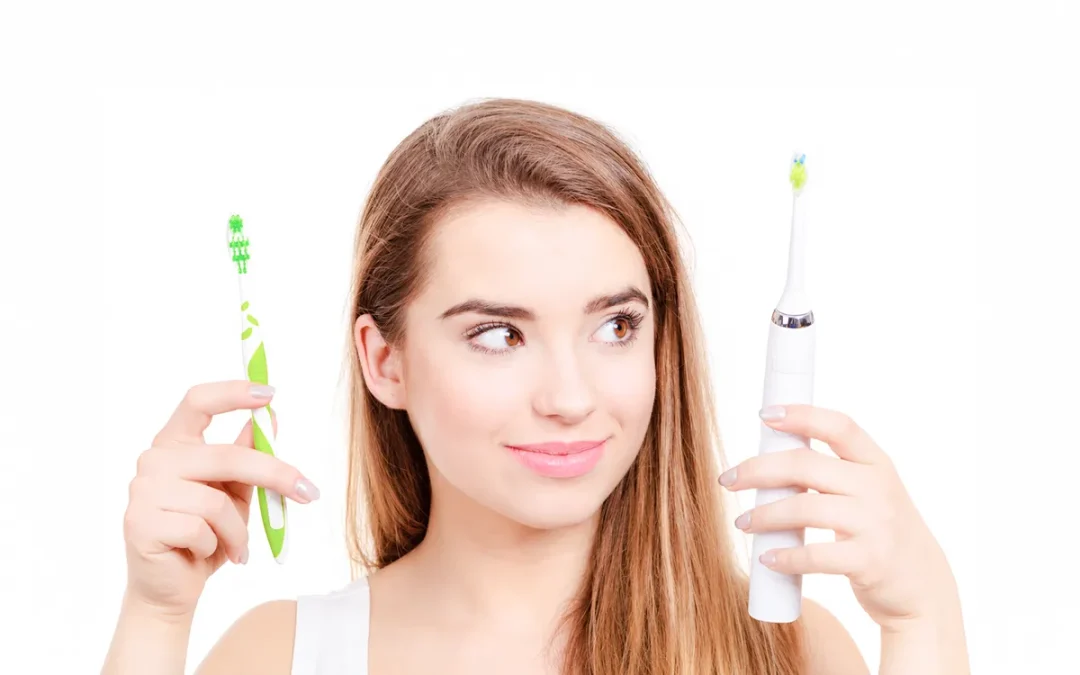
You’re standing in the oral care aisle, faced with rows of toothbrushes promising a better clean. Is an electric toothbrush genuinely better at the job, or is the humble manual brush just as capable?
Electric toothbrushes can come with a considerably higher price tag, along with features such as timers, pressure sensors and different cleaning modes. A manual toothbrush, on the other hand, is inexpensive, familiar and capable of doing an excellent job when used properly.
So, is an electric toothbrush genuinely worth the extra cost?
The answer depends on your brushing habits and individual needs. Both manual and electric toothbrushes can support good oral health, yet electric models may offer practical advantages that make thorough brushing easier and more consistent.
Here is what to consider before deciding whether it is time to upgrade.
Do electric toothbrushes deserve your attention?
Ultimately, a toothbrush earns its place at the sink by how well it removes plaque.
Plaque is a soft, sticky film of bacteria that constantly forms on the teeth and along the gumline. When it is not removed effectively, it can contribute to tooth decay and gum disease.
A manual toothbrush relies entirely on the person using it. The effectiveness of each brushing session depends on technique, pressure, coverage and how long the person spends brushing.
Electric toothbrushes work differently. Depending on the design, the brush head may rotate, oscillate or use high-frequency sonic movements to provide a consistent cleaning action while you guide it around your mouth.
Research has found that powered toothbrushes can provide greater reductions in plaque and gingivitis than manual toothbrushes, particularly when used consistently over time. This does not mean a manual toothbrush cannot clean effectively. It certainly can.
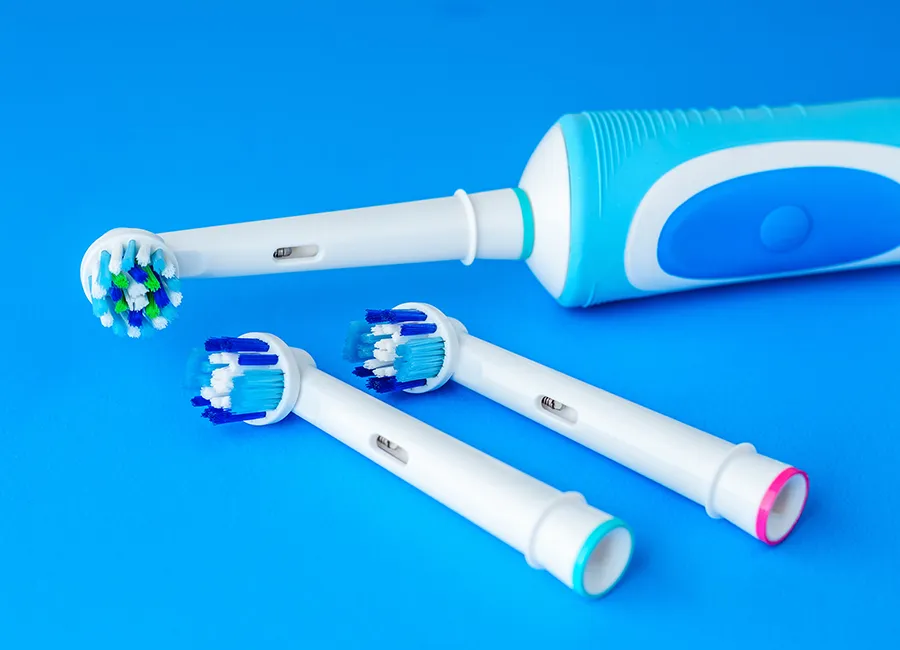
The advantage of an electric toothbrush is that it may make good plaque control easier to achieve, especially for people who struggle with brushing technique or consistency.
The brush still needs to be guided carefully around every tooth and along the gumline. Technology can support good brushing habits, but it cannot replace them.
Smart features that can improve your brushing habits
Better brushing beats more power. Some of the most useful benefits of an electric toothbrush have less to do with powerful cleaning technology and more to do with correcting common brushing mistakes.
Most dentists recommend brushing for around two minutes, twice a day. Many people, however, brush for far less time than they realise.
A built-in timer takes the guesswork out of the routine. Some toothbrushes also provide reminders every 30 seconds, encouraging you to spend enough time cleaning each section of your mouth.
It is a simple feature, yet consistently brushing for long enough can make a meaningful difference to the quality of your daily oral hygiene.
Brushing harder does not necessarily mean brushing better.
Plaque is soft and does not need to be scrubbed away aggressively. Excessive force can irritate the gums and may contribute to gum recession and wear around the teeth.
Many electric toothbrushes include pressure sensors that alert you when you are pressing too hard. Some models may light up, change their vibration or automatically reduce the brushing intensity.
For people who tend to brush aggressively, this feedback can be one of the most valuable reasons to switch.
Who may benefit most from an electric toothbrush?
An electric toothbrush is not essential for everyone, although it can be particularly useful in certain situations.
If your morning routine is usually a race against the clock, an electric toothbrush can provide helpful structure. The two-minute timer encourages you to spend adequate time cleaning your teeth rather than stopping after a quick once-over.
A pressure sensor can help you become more aware of excessive force. Over time, this may encourage a gentler brushing technique that is kinder to your gums and teeth.
Braces can create additional surfaces where plaque and food particles collect. Crowns, bridges and other dental work may also require careful cleaning around certain areas.
An electric toothbrush does not replace good technique or interdental cleaning, yet its powered action may make daily plaque removal easier for some people.
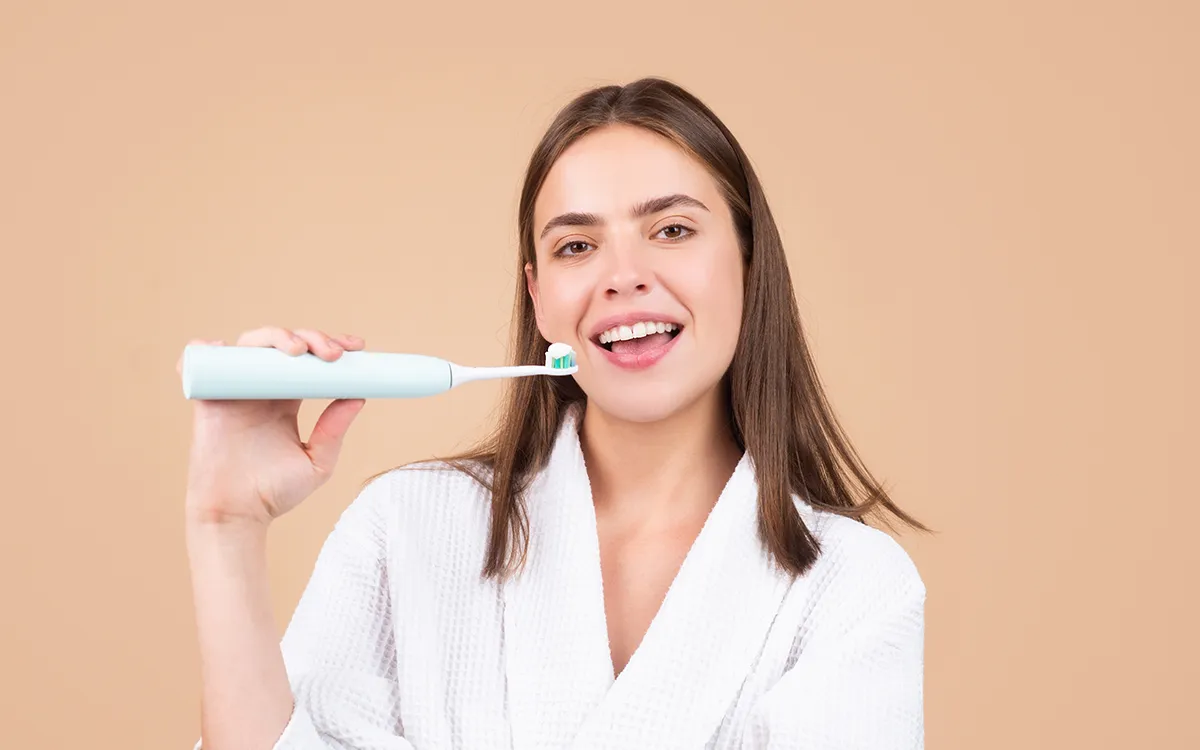
A manual toothbrush requires the user to create every brushing movement. An electric toothbrush performs much of that repetitive movement, allowing the user to focus on guiding the brush around the mouth.
This can be particularly helpful for children who are still developing good brushing habits, older adults and people with arthritis or other limitations affecting hand movement.
When a manual toothbrush is still a great choice
A higher price tag does not always lead to better oral health.
A manual toothbrush can be highly effective when it is used correctly and consistently. Someone who brushes gently for two minutes, cleans all tooth surfaces and pays close attention to the gumline can achieve excellent results with a standard soft-bristled toothbrush.
Manual toothbrushes also have several practical advantages.
They are affordable, lightweight and easy to replace. There is no need to charge them, and they are convenient to take when travelling.
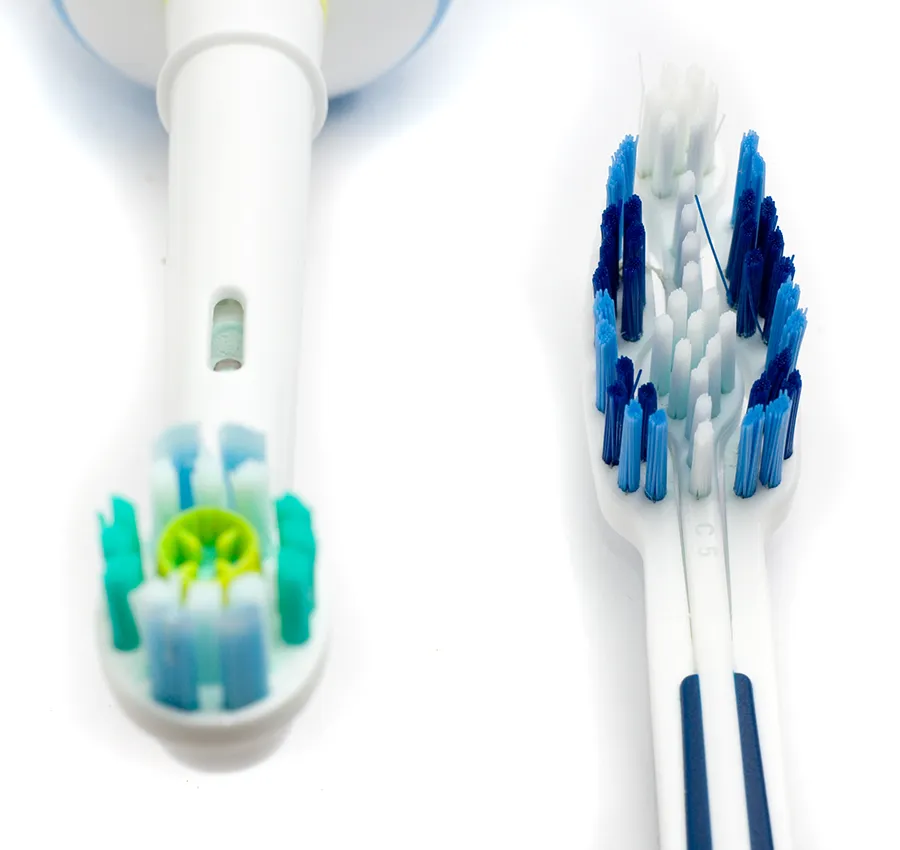
For people with good brushing technique and a consistent routine, there may be no strong reason to upgrade.
The most important factor is not whether your toothbrush is powered. It is whether you are using it properly.
An expensive electric toothbrush used for 30 rushed seconds will not necessarily clean better than a manual toothbrush used carefully for the recommended amount of time.
Is the higher cost actually worth it?
This is where the decision becomes personal, because iIt all depends on your brushing habits.
Electric toothbrushes cost more upfront, and replacement heads add to the expense. If you already brush thoroughly and consistently with a manual toothbrush, the additional benefits may not justify the cost. But if you tend to rush, brush too hard or struggle to remove plaque effectively, an electric toothbrush may provide useful guidance and support.
Just don’t assume spending more on an electric toothbrush will save you money on dental bills. It’s no guarantee against cavities, gum disease or future treatment. Your diet, fluoride exposure, interdental cleaning and regular dental care still matter.
The real value lies in whether it helps you brush better, every day.
What features are actually worth paying for?
You do not necessarily need the most expensive electric toothbrush on the shelf.
Many premium models include smartphone apps, Bluetooth connectivity and detailed brushing reports. These features can be useful for people who enjoy tracking their habits, but they are not essential for an effective clean.
For most people, the features worth prioritising are much simpler:
- A built-in two-minute timer
- A comfortable brush head that is easy to use
- Gentle and effective cleaning action
- A pressure sensor, where available
- Replacement heads that are easy to find and reasonably priced
Choosing a toothbrush that suits your routine is more important than choosing one with the longest list of features.
The best toothbrush is ultimately one you are comfortable using twice a day, every day.
Electric or manual: What is the better choice?
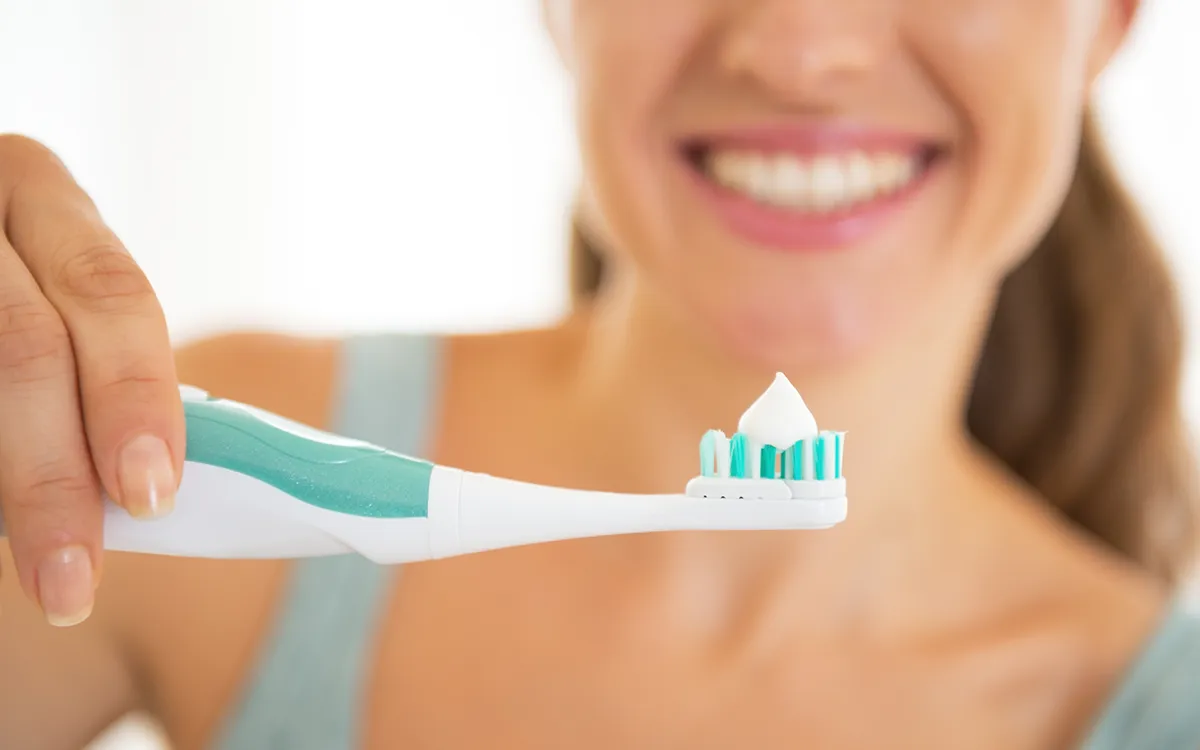
There is no single toothbrush that is right for everyone.
An electric toothbrush may be a worthwhile investment if you struggle with brushing technique, rush through your routine, brush too aggressively or need extra assistance because of limited hand mobility.
It may also be a helpful choice for people who simply prefer the feeling of a powered clean and find that the timer encourages them to maintain a more consistent routine.
A manual toothbrush, however, remains a perfectly effective option. With good technique, gentle pressure and a thorough two-minute routine, it can support excellent oral health without the higher upfront and ongoing costs.
The decision is less about choosing the most advanced technology and more about understanding which option helps you maintain the best habits.
Oral care habits matters more than tools
A great toothbrush is only as good as the habits behind it. Manual or electric, your toothbrush is just one part of the picture. Brushing twice daily with fluoride toothpaste, cleaning between your teeth and keeping up with regular dental visits all help protect your smile.
And even great brushing can miss a few spots. Regular check-ups and professional cleans help identify areas you may be overlooking and catch potential problems before they become harder to manage.
Thinking about making the switch to electric? Your dentist can help you decide which features, if any, would make a meaningful difference to your routine.
A healthy smile doesn’t need an expensive toothbrush. It needs effective brushing. A manual toothbrush can do the job beautifully with the right technique, while an electric model may make good habits easier to maintain.
Ultimately, it’s not what you spend on your toothbrush. It’s what you do with it, day after day.